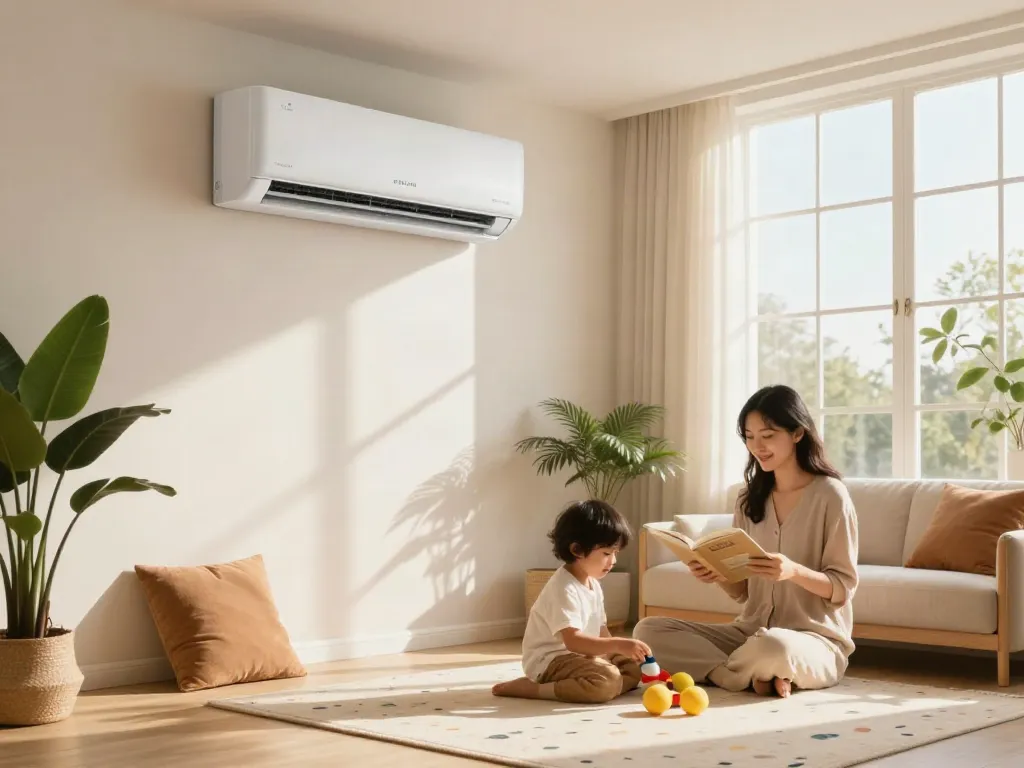
Understanding Ductless Air Conditioners
Ductless air conditioners, also known as ductless mini-splits, have gained popularity due to their energy efficiency and versatility. Unlike traditional HVAC systems that require extensive ductwork, these units provide targeted cooling and heating solutions, making them ideal for various living spaces. This article will explore the intricacies of ductless air conditioners, including their functionality, advantages, and essential considerations when choosing the right system for your home.
For those looking into effective cooling solutions, ductless air conditioner offer a comprehensive array of benefits that cater to modern needs. This guide will delve into the operational efficiency of these systems and help you understand their components and advantages.
What is a Ductless Air Conditioner?
A ductless air conditioner is a compact and efficient cooling and heating system that operates without ductwork. It consists of two main components: an indoor air-handling unit and an outdoor compressor unit. This design allows for the seamless installation in various configurations, making it a practical choice for homeowners and businesses alike.
The absence of ductwork not only simplifies installation but also enhances energy efficiency. Traditional air conditioning systems lose a significant amount of energy through duct leaks, while ductless systems deliver 100% of their conditioned air directly into the living space. This translates into lower energy bills and a more comfortable environment.
How Ductless Systems Work Efficiently
Ductless mini-splits utilize inverter technology, which adjusts the compressor speed according to the cooling or heating demands of a space. Unlike conventional systems that turn on and off, ductless systems maintain a consistent temperature by operating at varying speeds. This technology leads to reduced energy consumption and improved comfort levels.
Moreover, each indoor unit can be controlled independently, allowing for personalized comfort in different rooms. This zoning capability is particularly beneficial in larger homes or spaces with varying temperature needs, as it avoids unnecessary energy expenditure on unoccupied areas.
Advantages of Ductless Air Conditioners
- Energy Efficiency: Ductless systems can provide up to 30% energy savings compared to traditional air conditioning.
- Flexible Installation: They can be installed in various locations, including walls, ceilings, or even recessed in the ceiling.
- Reduced Noise: The outdoor unit operates quietly, ensuring minimal disruption in your living space.
- Improved Air Quality: Ductless systems come with advanced filtration that removes dust, allergens, and other airborne particles.
- Heating and Cooling: Many ductless units provide both heating and cooling, making them suitable for year-round comfort.
Choosing the Right Ductless Air Conditioner for Your Home
Factors to Consider Before Purchase
When selecting a ductless air conditioner, several factors must be considered to ensure optimal performance and satisfaction:
- Size: Proper sizing is crucial. An oversized unit will cycle on and off frequently, leading to inefficiency, while an undersized unit may struggle to keep up with demand.
- BTU Rating: Understanding the British Thermal Units (BTUs) required for your space can help you choose the right unit. Generally, a higher BTU rating correlates with a larger coverage area.
- Brand Reputation: Research reputable brands and read customer reviews to make an informed decision.
- Energy Efficiency Ratings: Look for units with a high SEER (Seasonal Energy Efficiency Ratio) rating for better long-term savings.
- Installation Options: Consider whether you can install the unit yourself or if professional installation will be necessary.
Top Brands and Models Reviewed
Some of the best brands in the ductless air conditioner market include:
- Mitsubishi Electric: Known for their advanced technology and energy-efficient models.
- Daikin: Offers a wide range of models with excellent performance ratings.
- LG: Provides stylish designs and smart home integrations.
- Pioneer: A budget-friendly option without compromising on quality.
Reviewing specific models will help potential buyers narrow down their choices based on features, price points, and energy efficiency.
Tips for Selecting the Right Size
Choosing the correct size for your ductless air conditioner is imperative for efficiency and comfort:
- Determine the square footage of the space you want to cool.
- Use a BTU calculator to assess your needs based on room size, climate, and insulation levels.
- Consult with HVAC professionals for precise measurements and recommendations.
Installation and Maintenance of Ductless Systems
How to Install a Ductless Air Conditioner
While professional installation is recommended, understanding the basic steps is beneficial:
- Identify the indoor and outdoor unit locations, ensuring they are connected through a line set.
- Mount the indoor unit securely on the wall or ceiling.
- Connect refrigerant lines, ensuring proper insulation and sealing to prevent leaks.
- Install the outdoor unit in a well-ventilated area, ideally elevated and away from obstructions.
- Finish by connecting power supply and testing the system for functionality.
Maintenance Tips for Longevity
Regular maintenance is crucial to prolong the life of your ductless air conditioner:
- Clean or replace filters every 1-3 months.
- Inspect and clean the outdoor unit from debris and obstructions.
- Schedule professional maintenance annually to check refrigerant levels and system performance.
- Keep an eye on operation sounds; any unusual noises may signal issues needing attention.
Common Installation Mistakes to Avoid
Understanding common pitfalls can save time and money:
- Improper Sizing: Avoid selecting a unit based solely on price or visual appeal without assessing its BTU rating.
- Poor Drainage: Ensure proper drainage systems are in place to prevent water accumulation.
- Neglecting Local Codes: Familiarize yourself with local building codes and regulations regarding installation.
Cost Considerations for Ductless Air Conditioners
Initial Purchase vs. Long-Term Savings
While the initial investment for ductless air conditioning systems can be higher than traditional units, the energy savings and potential tax credits can offset these costs significantly over time:
- Purchase Price: Ductless systems typically range from $2,000 to $5,000, depending on size and features.
- Energy Bills: Homeowners can expect a reduction in energy expenses due to the efficiency of ductless systems.
- Tax Incentives: Some energy-efficient systems qualify for rebates or tax credits, adding to long-term savings.
Factors Affecting Installation Costs
Installation costs can vary based on several factors:
- Location: Installation in areas that require extensive electrical work or modifications will be pricier.
- Complexity: The more complex the installation (multi-zone systems), the higher the labor costs.
- Type of Installation: DIY installations can save money but may risk improper setup.
Financing Options for Homeowners
For homeowners concerned about the upfront costs, various financing options are available:
- Home Equity Loans: Using home equity can provide lower interest rates for larger investments.
- Retail Financing: Many suppliers offer financing plans with low or no interest for qualifying customers.
- Government Programs: Look into local and state programs that support energy-efficient upgrades.
Future Trends in Ductless Air Conditioning
Innovations and Technologies to Watch in 2026
The ductless air conditioning industry is rapidly evolving, with several exciting innovations expected in the near future:
- Smart Technology: Integration with smart home systems for enhanced control and automation.
- Advanced Sensors: Use of AI technology to better understand environmental needs and optimize performance.
- Environmental Considerations: Development of refrigerants with reduced environmental impact.
Energy Efficiency Regulations and Standards
As energy efficiency becomes more critical, regulatory bodies are enforcing stricter standards:
- Equipment must meet new SEER ratings to qualify for incentives.
- Energy conservation regulations will push manufacturers to innovate towards greener solutions.
Consumer Preferences and Market Shifts
Today's consumers are not only looking for efficiency but also for eco-friendliness:
- Increased Demand: The shift towards energy-efficient homes creates a growing market for ductless systems.
- Customization: Homeowners prefer personalized options that fit their unique cooling and heating needs.
What is the lifespan of a ductless air conditioner?
A well-maintained ductless air conditioner can last between 15 to 20 years. Regular servicing, prompt repairs, and adhering to maintenance guidelines contribute significantly to longevity.
Are ductless air conditioners energy-efficient?
Yes, ductless air conditioners are known for their high energy efficiency ratings, often outperforming traditional systems by a significant margin because they eliminate energy loss from ductwork.
Can a ductless unit heat as well as cool?
Absolutely, many ductless systems come with heating capabilities, allowing for year-round comfort. This makes them a versatile choice for varying climate conditions.
How much does it cost to install a ductless air conditioner?
Installation costs typically range from $1,500 to $5,000, depending on factors such as the number of zones, unit type, and labor costs.
What maintenance do ductless systems require?
Owners should regularly clean or replace filters, check drain lines, and schedule annual professional inspections to maintain optimal performance.