Understanding Raccoons in Urban Environments
Raccoons are an increasingly common sight in urban settings, where they adapt remarkably well to the challenges posed by city life. Their dexterous front paws allow them to access trash cans, picnic sites, and even attics with ease. As homeowners in cities like Toronto encounter more interactions with these nocturnal creatures, understanding the nuances of raccoon behavior and the potential risks of their presence becomes essential. Not only do they pose a nuisance, but raccoons can also bring health risks and property damage, making Raccoon Removal Toronto a vital consideration for residents.
Characteristics and Behavior of Raccoons
Raccoons (Procyon lotor) are medium-sized mammals known for their distinctive black “mask” of fur around their eyes and their bushy tails with multiple rings. Typically weighing between 8 to 24 pounds, these creatures have an omnivorous diet, consuming both animal and plant matter. Raccoons are primarily nocturnal, meaning they are most active during the night, which is often when they scavenge for food in urban areas.
Socially, raccoons are somewhat solitary; however, they can form small groups or “nurseries” during the breeding season to rear young cubs. Their intelligence is notable, as studies have shown that they can remember solutions to tasks for at least three years. This intelligence can make them consistent nuisances when they establish themselves in residential properties.
Common Signs of Raccoon Infestation
Recognizing a raccoon infestation early on can help mitigate potential damage or health risks. Here are a few common signs to look out for:
- Scattered Trash: Raccoons are notorious for rummaging through garbage. If you find your bins tipped over or contents spread across your yard, this might indicate their presence.
- Tracks and Scat: Raccoon tracks have five toes and resemble small hands. Their droppings are often found near food sources and are tubular in shape.
- Nocturnal Noises: If you hear rustling sounds in your attic or walls at night, it could be raccoons making themselves at home.
Why Raccoon Removal is Essential for Homes
Raccoons can be more than just a nuisance; they can pose significant health risks. These animals are known carriers of various diseases, including rabies, leptospirosis, and raccoon roundworm, which can be transmitted to humans and pets. Furthermore, their natural behaviors can lead to considerable damage to property—raccoons can tear insulation, chew through wiring, and create structural issues when they access attics or crawl spaces.
Additionally, they can attract other pests, leading to an escalation of the problem if not addressed promptly. Ensuring that raccoons are humanely removed from your property not only protects your home but also your family’s health.
Cost Factors in Raccoon Removal Toronto
The costs associated with raccoon removal can vary widely depending on several factors. Homeowners in Toronto should be aware of the average pricing and the various aspects that influence these costs.
Average Pricing for Removal Services
On average, the cost of professional raccoon removal services in Toronto ranges from $300 to $1,000. This range can depend on the complexity of the situation, such as the number of raccoons involved, the location of the infestation, and the methods required to safely remove the animals. Additional services, such as repairs and exclusion methods to prevent future infestations, can also contribute to the overall cost.
Factors Influencing Costs of Raccoon Removal
Several factors can influence the pricing of raccoon removal services, including:
- Severity of Infestation: A more severe infestation may require multiple visits or extensive repairs, raising costs.
- Location Accessibility: If raccoons are located high in attics or within hard-to-reach areas, it may require specialized equipment and more labor, increasing the price.
- Time of Year: During peak breeding season, the demand for removal services can increase, potentially raising costs.
Budgeting for Wildlife Control: What to Expect
When budgeting for raccoon removal and wildlife control, homeowners should also consider the potential long-term costs associated with any damage caused by raccoons. This might include:
- Repairs to insulation, drywall, or roofing.
- Costs to repair wiring or plumbing damaged by raccoons.
- Preventive measures such as installing raccoon-proof garbage bins or sealing entry points around the home.
Investment in professional removal services can save homeowners money in the long run by preventing further issues down the line.
Humane Raccoon Removal Techniques
Utilizing humane methods for raccoon removal is not only ethical but often required by law. Implementing best practices ensures a safe and effective approach to wildlife control without causing harm to the animals.
Best Practices for Safe Raccoon Capture
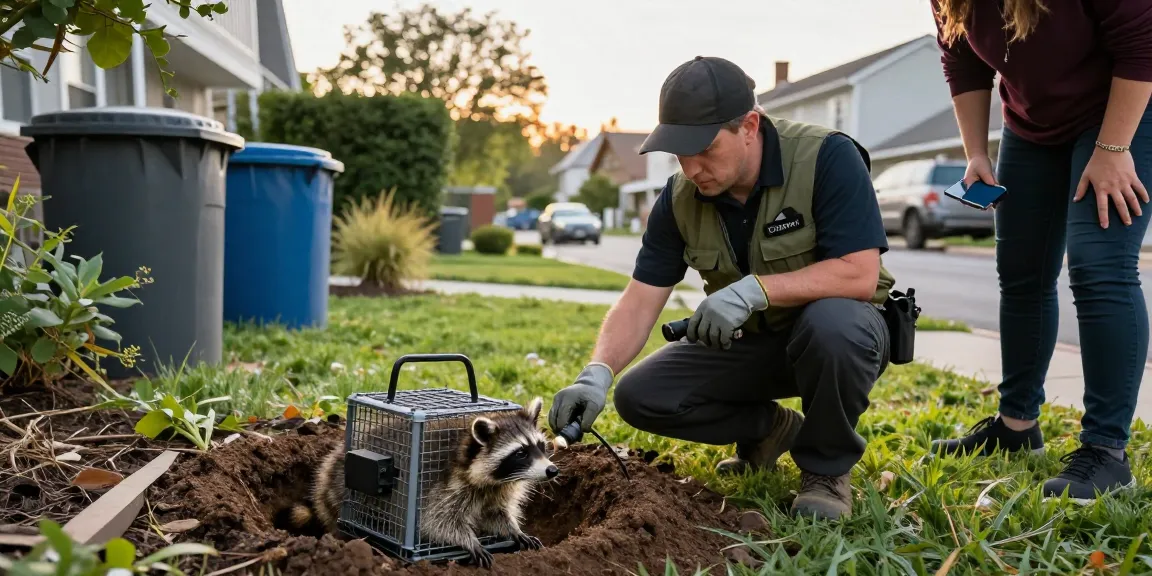
Humane traps are the most commonly utilized tools for catching raccoons. Important guidelines for effective capture include:
- Proper Baiting: Use food that raccoons are particularly attracted to, such as canned cat food, marshmallows, or fruits.
- Placement: Place traps in locations where raccoons are frequently active, such as near trash areas or entrances to attics.
- Monitoring: Regular checks of traps ensure that trapped raccoons are not left in distress for prolonged periods.
Post-Removal Strategies for Homeowners
After raccoons have been safely removed, homeowners should consider the following strategies to prevent re-entry:
- Seal Entry Points: Use sturdy materials to seal holes or openings that could serve as entry points for raccoons.
- Install Raccoon-Proof Garbage Bins: Use bins with heavy lids or locks to deter raccoons from scavenging.
- Remove Food Sources: Ensure all pet food, bird seed, or other food sources are stored securely and inaccessible to wildlife.
Legal Considerations in Wildlife Control
It is essential for homeowners to be aware of local laws and regulations regarding wildlife removal. In many places, including Toronto, certain wildlife species are protected, and it is illegal to harm or kill them without proper permits. Therefore, seeking professional help is advisable to ensure compliance with wildlife protection legislation.
Preventing Future Raccoon Infestations
Prevention is key to avoiding future raccoon issues. Homeowners can implement several proactive strategies to minimize the risk of re-infestation.
Home Modifications to Deter Raccoons
Making specific modifications to the home can significantly decrease the chances of a raccoon returning. Suggestions include:
- Trim Overhanging Trees: Raccoons can easily access roofs via branches; trimming them can make it harder for raccoons to gain entry.
- Install Cap Covers: Placing covers on chimneys and vents prevents raccoons from nesting inside.
- Use Motion Sensor Lights: These lights can deter raccoons by startling them when they approach the property at night.
Long-Term Maintenance Tips for Homeowners
Regular maintenance is crucial in keeping raccoons at bay. Homeowners should:
- Perform routine inspections of the property, checking for potential entry points or areas of concern.
- Secure compost bins and remove any fallen fruit from the yard to eliminate food sources.
- Educate family members about the importance of keeping food and waste secured.
Community Initiatives for Wildlife Safety
Communities can benefit from initiatives promoting wildlife safety. Participating in local programs that focus on educating residents about raccoon behavior and ecological impacts can foster a safer environment for both people and wildlife. These initiatives might include community workshops, informational flyers, or local enforcement of wildlife protection regulations.
FAQs About Raccoon Removal in Toronto
What should I do if I see a raccoon during the day?
Seeing a raccoon during the day may indicate a problem. Raccoons are primarily nocturnal, so if one is active in daylight, it could be sick or searching for food. It’s best to observe from a safe distance and contact a wildlife removal expert if necessary.
How can I tell if I have raccoons in my attic?
Signs of raccoons in your attic include nocturnal noises, scratching sounds, or noticeable droppings near entry points or the attic itself. You may also notice pathways leading to or from your home.
Are there any DIY methods for raccoon removal?
While some homeowners consider DIY methods, professional removal is typically more effective and humane. Attempting to remove raccoons without proper tools and knowledge can be dangerous and may violate local wildlife laws.
What are the dangers of raccoon infestations?
Raccoon infestations can lead to numerous dangers, including property damage, health risks from disease transmission, and potential injuries if humans or pets come into contact with them. It’s essential to address raccoon issues quickly and effectively.
How often do raccoons breed in urban areas?
Raccoons can breed once a year, typically in the spring. A female may give birth to a litter of two to seven young. Understanding their breeding cycle can help homeowners anticipate and address potential infestations.