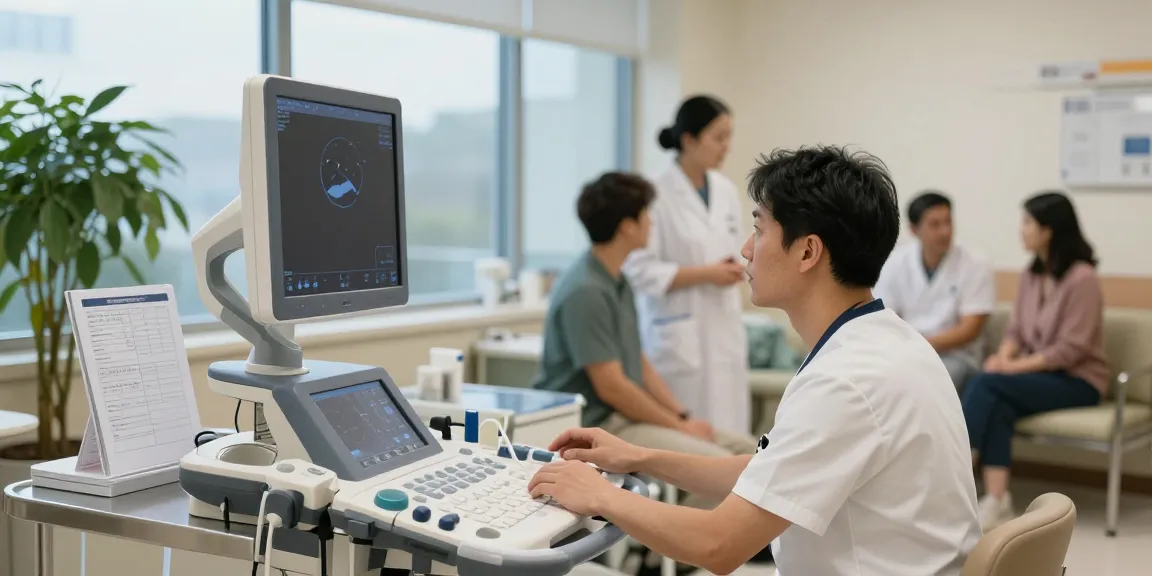
Understanding the Importance of Medical Equipment in Healthcare
In the modern healthcare landscape, the importance of reliable and efficient medical equipment cannot be overstated. Quality medical devices play a crucial role in diagnosing, treating, and managing various health conditions, ultimately influencing patient outcomes. In regions like the North Shore, where healthcare facilities strive to provide exceptional care, understanding the nuances of équipement médical rive nord becomes essential for both practitioners and patients alike.
What is équipement médical rive nord?
Équipement médical rive nord refers to the range of medical devices and tools utilized in healthcare settings across the northern regions of major urban centers. This encompasses a wide array of equipment from diagnostic machines, such as MRI and CT scanners, to surgical instruments and patient monitoring devices. Each piece of equipment plays a significant role in ensuring effective medical care and is tailored to meet specific health needs.
Why Quality Matters in Medical Devices
Quality in medical equipment is paramount for several reasons. First, it ensures patient safety. Devices that meet stringent quality standards significantly reduce the risk of malfunction during critical procedures. Second, high-quality equipment enhances diagnostic accuracy. For instance, precise imaging machines can provide clearer images that lead to better treatment plans. Furthermore, durable medical devices can lead to cost savings over time by reducing the need for replacements or repairs.
Common Applications in Patient Care
Medical equipment serves diverse applications that are integral to patient care. For example:
- Diagnostic Imaging: MRI, CT, and X-ray machines are used to visualize internal structures of the body to aid in accurate diagnosis.
- Patient Monitoring: Equipment such as ECG machines and pulse oximeters monitor vital signs, allowing healthcare providers to make informed decisions regarding patient care.
- Therapeutic Devices: Infusion pumps and ventilators are examples of equipment that provide essential therapeutic interventions to patients.
Selecting the Right Medical Equipment
Choosing the appropriate medical equipment requires careful consideration of specific healthcare needs, available technology, and budget constraints. The selection process can significantly impact patient care quality and operational efficiency.
Assessing Your Needs for équipement médical rive nord
Health care providers must first assess the specific needs of their facilities. This involves understanding the patient demographics, types of services offered, and any particular health concerns prevalent in the community. For instance, a facility focusing on rehabilitation might prioritize physiotherapy equipment, whereas a surgical center would need advanced surgical instruments.
Evaluating Specifications and Features
Once needs are identified, the next step is to evaluate the specifications and features of different equipment options. Considering factors such as usability, compatibility with existing systems, and the learning curve for staff can help ensure that the equipment aligns with the facility’s operational workflows. Additionally, reviewing manufacturer specifications, warranties, and service agreements can provide insights into the longevity and reliability of the equipment.
Best Practices for Equipment Selection
To ensure effective selection, healthcare facilities should adopt best practices, such as:
- Involving multidisciplinary teams in the selection process to consider various perspectives.
- Conducting thorough market research to compare different vendors and devices.
- Seeking input from end-users, including physicians and nurses, to gauge practical utility.
Implementing Medical Equipment in Daily Routines
After acquisition, the successful integration of medical equipment into daily healthcare routines is essential for maximizing its benefits and enhancing patient care.
Creating Efficient Workflow Strategies
A successful implementation strategy includes designing workflows that incorporate the new equipment seamlessly. This might involve rearranging physical layouts to promote ease of access or refining processes to ensure that staff can use equipment efficiently during peak times. Regularly reviewing workflows can also help in identifying areas for further improvement.
Training Staff on Equipment Use
Comprehensive staff training is vital for the effective use of advanced medical equipment. Training should cover not only basic operational use but also troubleshooting and maintenance protocols. Regular refreshers and updates as new technologies emerge can keep staff proficient and confident in their capabilities.
Maintaining Equipment for Optimal Performance
Routine maintenance and servicing are critical to maintaining the functionality and longevity of medical equipment. This practice involves scheduling regular inspections, adhering to manufacturer guidelines, and documenting any repairs or issues that arise. A proactive maintenance plan can prevent costly downtime and ensure that the equipment remains compliant with health regulations.
Staying Compliant with Regulations
Compliance with healthcare regulations is non-negotiable for all healthcare providers. Understanding these regulations not only protects the facility from penalties but also enhances patient trust and safety.
Understanding Health Regulations Impacting Equipment
Healthcare equipment must comply with various regulations set by governing bodies. In Canada, the Medical Device Regulations (MDR) dictate the safety and effectiveness of medical devices. Facilities must ensure that all equipment used is certified and meets the required standards.
Documenting Equipment Use and Maintenance
Thorough documentation of equipment usage and maintenance is essential. This includes keeping accurate records of all service history, user training sessions, and incident reports. Documentation not only supports compliance during inspections but also aids in tracking equipment performance over time.
Certification and Compliance Best Practices
Healthcare facilities should establish compliance best practices, such as conducting regular reviews of equipment certifications, participating in relevant training sessions for staff, and maintaining open communication with regulatory agencies to stay updated on changes in regulations.
Future Trends in Medical Equipment for 2026 and Beyond
As we look ahead, the medical equipment landscape is anticipated to undergo significant changes driven by technological advancements and evolving patient needs.
Innovative Technologies Transforming Healthcare
Emerging technologies, such as artificial intelligence (AI), robotics, and telemedicine, are transforming healthcare delivery and the types of medical equipment required. AI is increasingly being integrated into diagnostic tools to enhance accuracy, while robotics are being utilized in surgical procedures for precision and efficiency.
How Equipment Will Evolve with Patient Needs
In response to the growing emphasis on personalized medicine, medical equipment is expected to evolve towards greater customization and interoperability. This will enable healthcare providers to deliver tailored treatments and improve overall patient experiences.
Predictions for the North Shore Medical Market
The North Shore medical market is likely to see an increase in demand for advanced diagnostic and therapeutic equipment as population health needs become more complex. Additionally, trends toward remote monitoring and telehealth services will drive a need for equipment that supports these practices. Facilities that are proactive in adapting to these trends will be better positioned to meet the needs of their communities.
What types of medical equipment are essential for North Shore healthcare facilities?
The North Shore healthcare facilities require a diverse set of medical equipment tailored to their unique needs. Essential equipment often includes imaging devices like ultrasound and X-ray machines, surgical tools for various procedures, and patient monitoring systems to ensure optimal care. Furthermore, rehabilitation equipment such as physical therapy modalities is critical for post-operative recovery.
How can healthcare professionals effectively maintain medical equipment?
Healthcare professionals can maintain medical equipment effectively by implementing a rigorous maintenance schedule that adheres to manufacturer guidelines. Regular inspections, user training, and proper documentation of maintenance activities are crucial practices to prolong equipment lifespan and ensure patient safety.
What are the emerging technologies in medical equipment for 2026?
Emerging technologies expected to shape medical equipment by 2026 include advancements in robotics for surgical procedures, AI-driven diagnostic tools, and telehealth monitoring systems. These innovations aim to enhance precision in care delivery and improve patient engagement in their healthcare journeys.
Why is staff training important for using advanced medical equipment?
Staff training is essential for ensuring that healthcare professionals are equipped to operate advanced medical equipment safely and effectively. Proper training minimizes the risk of equipment-related errors, enhances diagnostic accuracy, and improves the overall quality of patient care.
How does equipment selection impact patient outcomes?
The selection of appropriate medical equipment significantly impacts patient outcomes by ensuring that healthcare providers have the right tools to diagnose and treat conditions effectively. High-quality, well-suited equipment leads to better patient monitoring, increased safety, and improved treatment efficacy, directly correlating with enhanced health outcomes.